

Artists collect the fractures of the present and transform them into stories, gestures, visions that speak beyond the confines of the stage, back among the people. Each performance is a fragment of the world, an investigation of our time that becomes an encounter, a listening, a crossing. It is in this horizon that the Yorick Festival returns to the capital's museums thanks to Teatro di Roma, under the artistic direction of Leonardo Petrillo and under the patronage of the President of the Culture Commission of the Chamber of Deputies
By Rosalba Panzieri
At a time when the performing arts are seeking new languages to read the world, the Yorick Festival establishes itself as an international laboratory of visions: a bold crossroads where European scenes redefine their relationship with the present and creators and audiences together interrogate our time. Through six performances of contemporary drama with an international scope, four museums, one theater, a legacy of the Shakespearean Fool invades Rome, transforming historical heritage into a space of living storytelling.
This is the horizon of the Yorick Festival, conceived and directed by Leonardo Petrillo and produced by Teatro di Roma - Teatro Nazionale, in collaboration with Teatro Stabile di Torino, Teatro Biondo di Palermo and Fringe Italia Off, under the patronage of the President of the Culture Commission of the Chamber of Deputies, Honorable Federico Mollicone. “Yorick festival,‘ stresses the Honorable Mollicone, ’is reborn and breaks into museums to bring the great tradition of Italian commedia dell'arte, Shakespearean theater, together with nuances of the European fringe. I believe deeply in integration between cultural institutions. I am the first signatory of a reform, of which I am very proud, which passed its first reading in the House, called ”Italy on Stage.' An axis of this reform is devoted precisely to supporting live performances in museums.".
The spirit of carnival to promote freedom
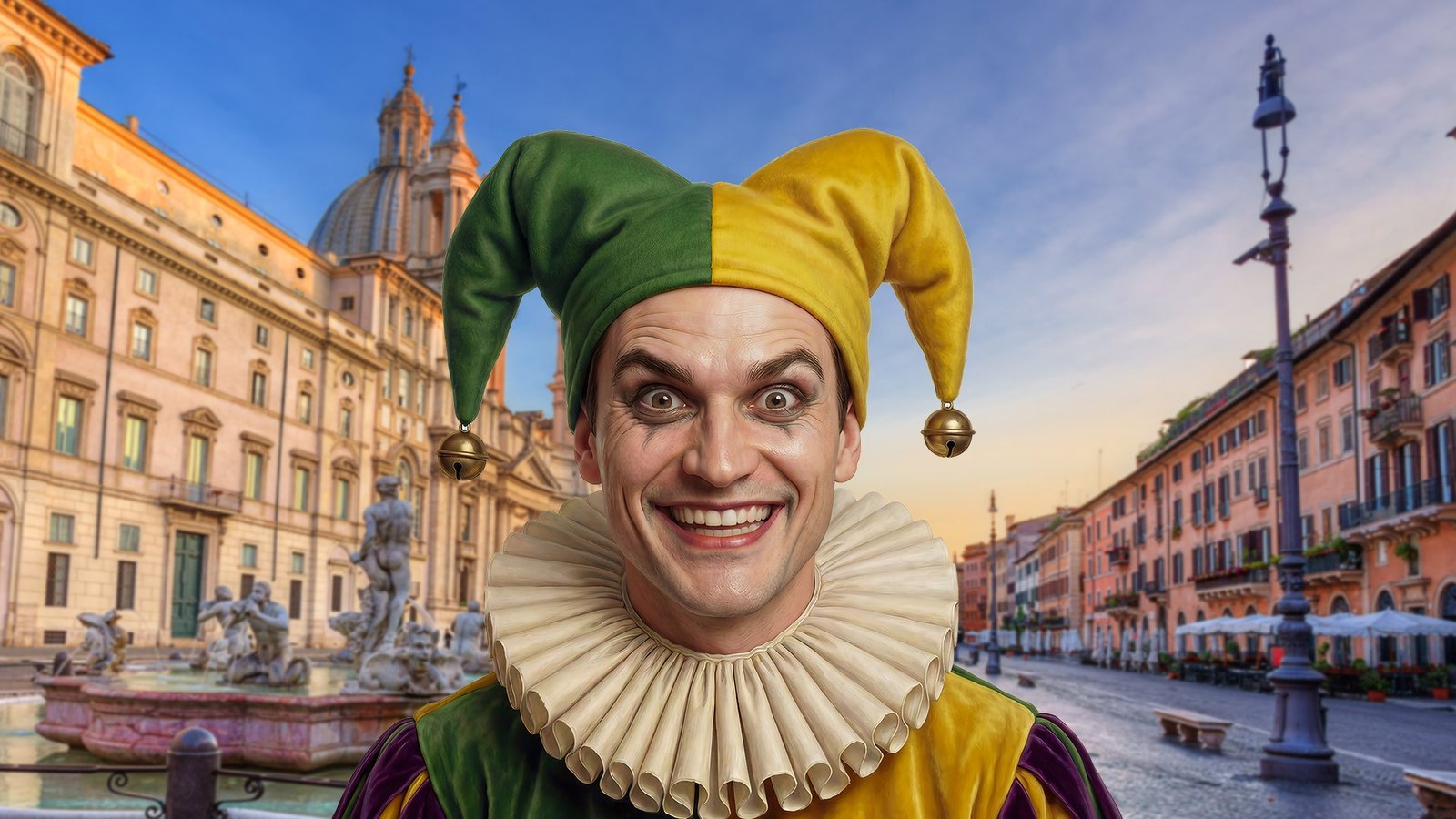
Until Feb. 17, the city becomes, therefore, a theatrical map, through a widespread performance ecosystem that breaks down the boundaries of the traditional stage to inhabit art venues such as Palazzo Esposizioni, Palazzo Altemps, Palazzo Braschi and MACRO, as well as Teatro Torlonia. Yorick festival is not a simple review, but a cultural device that interweaves research, memory and experimentation, returning to the public a theater that dialogues with the monumentality of museums and reactivates their symbolic potential. At the heart of the project is the vision of Leonardo Petrillo, director and artistic director of the festival , who recovers the spirit of Carnival and the figure of the Shakespearean Fool as a key to interpreting the present: a jester capable of telling the truth without filters, of overturning hierarchies, of transforming “sacred” space into a place of freedom.
The figure of the clown at the center of a theater that declines itself in non-theatrical spaces, but which take on its power and suggestion. “The clown,’ says Luca De Fusco, Artistic Director of the Teatro di Roma, ”imposes questions, cracks rhetoric, makes fun of the powerful, and so he is a figure we will always need, because he questions acquired truths. He is a libertarian figure, who does not get along with dictatorships and, therefore, is a figure of happiness.".
Yorick speaks for us
The Festival was born from the experience of the 2013 Festival of Festivals and is now configured as a platform of shared innovation, supported by a national network of excellence. A project that promotes the circulation of contemporary dramaturgy and intercepts a transversal audience, confirming theater as an act of cultural regeneration.
“The jester,’ says Leonardo Petrillo, Artistic Director of the Festival, ”is anthropologically a character that continues to live and transform. The mask changes, but the jester remains. He is a figure who mediates between people and power, who moves on a precarious balance and who, perhaps more than any other figure, makes us think and reflect. Thus the jester is u essential, our liberating burp, as Dario Fo used to say. Today we need jesters more than heroes: figures capable of telling the truth without asking permission, making scandal with joy.".
In a time that calls for new forms of participation, Yorick restores the theater to its original function: to be a collective ritual, a meeting place, a gesture of freedom.
The Festival Program
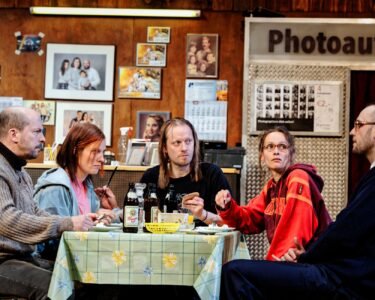
The Yorick Festival does not just occupy spaces, it transforms them: it traverses them, listens to them, sets them in vibration. It is an invitation to rethink the relationship between art and the city, between memory and contemporaneity, between institutions and community. The journey opens at the Palazzo Esposizioni with “Viața mea din flori,” a Romanian monologue from the work of Cristian Popescu and performed by Florin Coșuleț: an intimate confession about the encounter between man and art, amplified by live music. It is followed by “Quell'attimo di beatitudine” by Christian di Filippo, which at Palazzo Altemps investigates faith and its contemporary drifts, abolishing all distance with the audience.
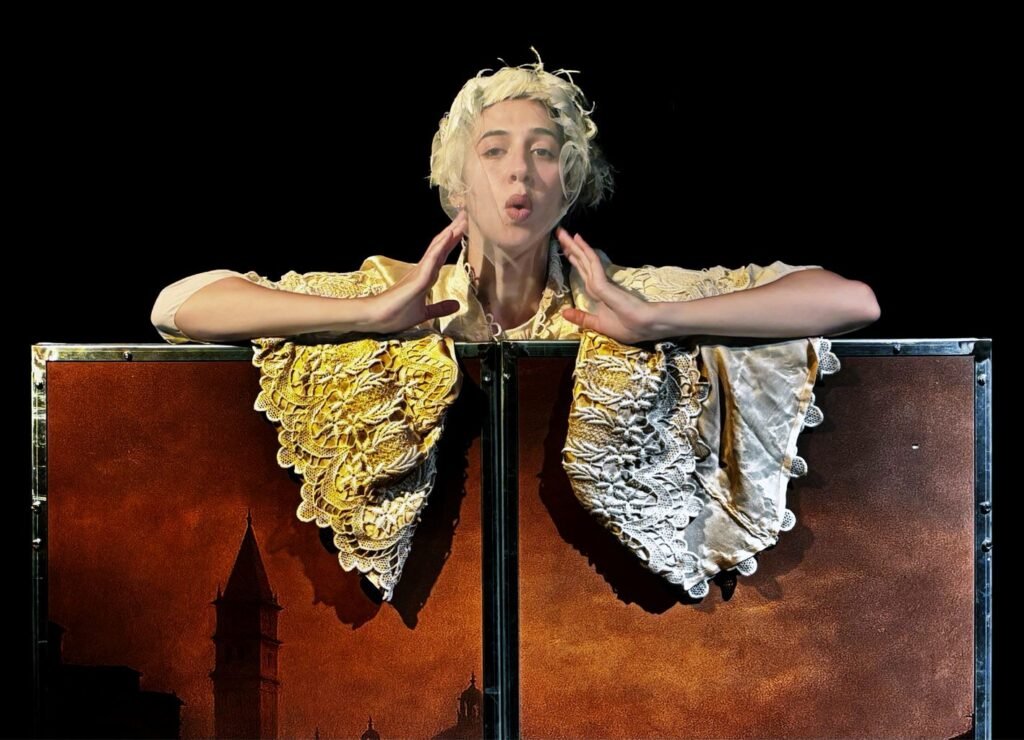
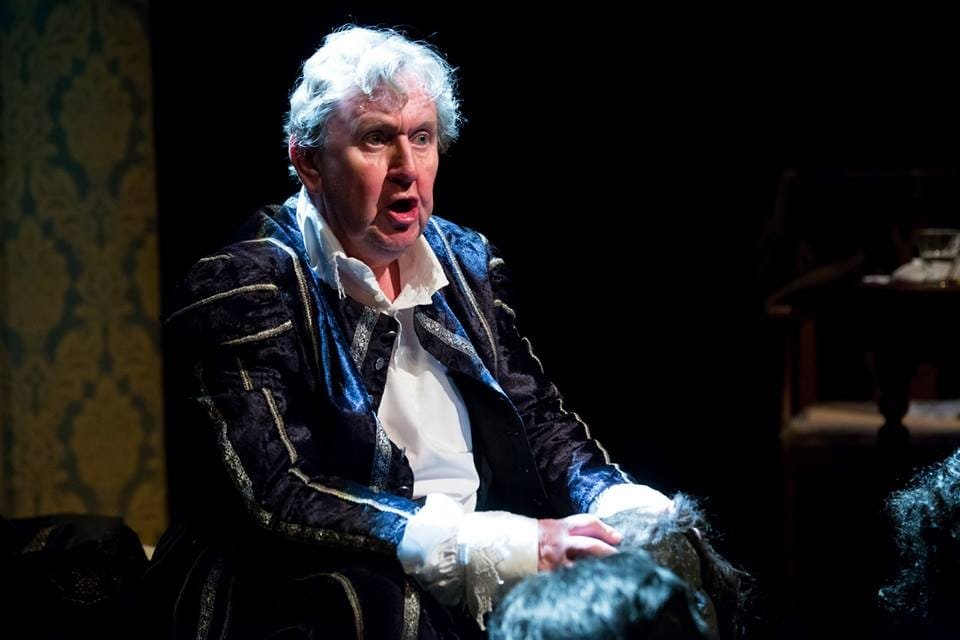
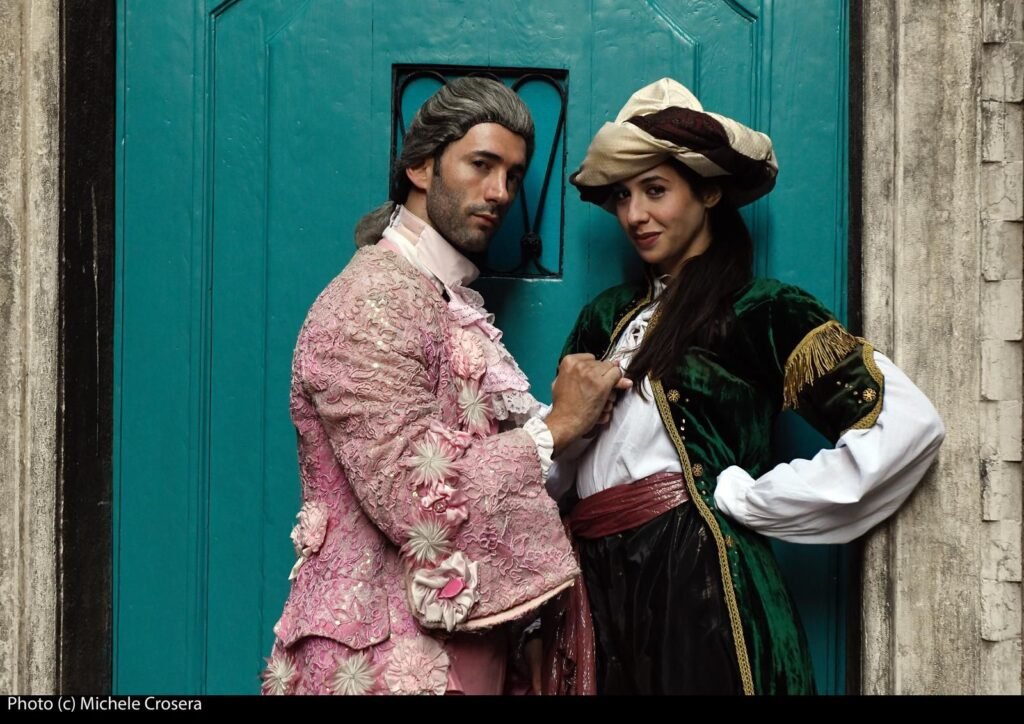
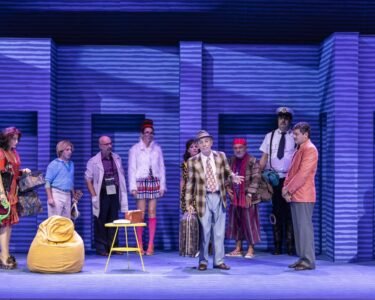
At Palazzo Braschi, Salvo Piparo rereads the Mediterranean epic with “Ulysses Inside,” while on Feb. 12 and 13 international actor Pip Utton returns to Palazzo Altemps with “At Home With Will Shakespeare,” a private and surprising portrait of the Bard. The beating heart of the review is “Casanova ½,” signed by Petrillo and staged Feb. 12-15 at the Torlonia Theater: a visionary tribute to the first “influencer” in history, between myth, anthropology and reflection on the feminine. Closing the run, Feb. 16 and 17 at the MACRO, Philippe Nicaud's “Othello,” which chooses Iago's point of view to tell a tragedy of jealousy and power through a physical and musical score with a strong visual impact.
--------
on the Youtube channel of Albanitaly.al
the video interview with Hon. Mollicone
the video interview with Luca De Fusco
The video interview with Leonardo Petrillo
 Italian
  Albanian
  English